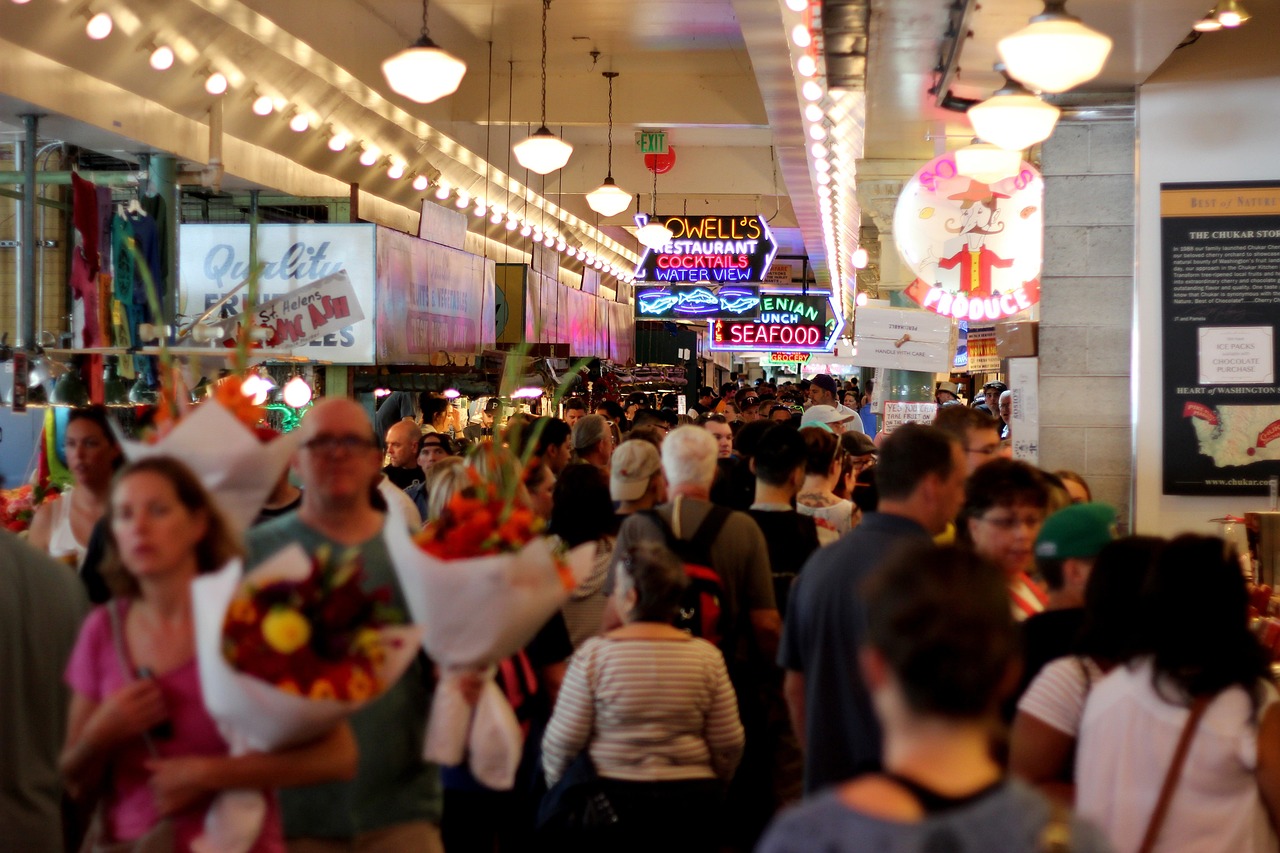
Bingo halls, far from being mere games of chance, have woven themselves into the fabric of communities worldwide, reflecting cultural shifts and social trends over centuries. Their history is a fascinating journey, one that offers insight into community engagement, entertainment evolution, and even societal values. This article, using a trusted bingo hall locator as a guide, explores the multifaceted development of bingo from its humble beginnings to its modern, dynamic presence. By examining operational standards, community events, and emerging technology, we hope to illuminate the rich cultural mix that surrounds these vibrant gathering places.
- Origins: Early Games Leading to Bingo
- Evolution: From Lotteries to Social Gathering
- Global Spread: Bingo Beyond Borders
- Americanization: Bingo Hall Boom
- Cultural Impact: More Than a Game
- Regulation and Growth: Legal Landscape Shifts
- Modern Era: Technology Meets Tradition
- Future Prospects: Global Bingo Hall Locator
Origins: Early Games Leading to Bingo

The roots of bingo can be traced back centuries, evolving from lottery games in Italy and Spain. These early games, like Lo Giuoco del Lotto d'Italia, introduced random number selection and fixed prizes, laying the foundation for today's bingo halls. As immigrants brought these games to America, they evolved further, particularly in the early 20th century. During this period, unique bingo hall snacks-from homemade cookies to local delicacies-became a staple, enhancing the social experience.
In the post-World War II era, bingo truly took off in popularity, especially in the United States and Canada. Local bingo associations and player forums sprouted up, connecting players and fostering a sense of community. This boom led to the establishment of dedicated bingo hall locations, offering not just games but also entertainment, promotions, and loyalty programs. Some halls introduced same-day ticket sales and quick check-in systems, making the experience more convenient. Canadian Sports Betting Guides notes that cost-effective bingo hall solutions were sought after, with many establishments embracing online platforms and virtual reality to reach a wider audience.
The evolution of bingo halls reflects changing societal norms and technology. From its humble beginnings to its modern-day digital transformations, bingo has remained a beloved pastime. Today, a bingo hall locator can guide players to a variety of venues, each offering its unique blend of traditional charm and innovative technology, ensuring the game's enduring popularity across generations.
Evolution: From Lotteries to Social Gathering

The evolution of bingo halls is a fascinating journey that reflects changing social dynamics and entertainment preferences. Originally rooted in ancient lottery games, bingo's transformation into a popular social gathering spot has been a gradual process, shaped by cultural influences and technological advancements. In its early forms, bingo was a simple game of chance, with historical precedents tracing back to 15th-century Italy and France, where lottery games were played to raise funds for public causes. Over time, the game made its way across continents, evolving and adopting new rules and formats.
As bingo gained popularity in the 20th century, it became more than just a game; it became a community event. The iconic bingo hall emerged as a social hub, particularly in urban areas, where people from diverse backgrounds gathered to play and socialize. These halls were not just venues for gaming but also served as community centers, hosting events for all ages. Many top bingo halls for seniors offer specialized games and activities catering to their specific needs, ensuring a welcoming and engaging environment. A local bingo hall search has never been easier, with dedicated online platforms and apps that connect players with nearby venues, allowing for convenient access to this beloved pastime.
The modern bingo hall experience is vastly different from its historical roots, thanks to technological innovations. Online bingo platforms and mobile apps have expanded the reach of the game, enabling players to participate from the comfort of their homes. However, the social aspect remains a cornerstone of bingo halls, where players still gather, chat, and share a sense of camaraderie. Canadian Sports Betting Guides highlights the importance of adhering to clear bingo hall rules and regulations, ensuring a fair and enjoyable experience for all. This includes understanding the specific rules of the house, which can vary between locations, and following security protocols to maintain a safe and welcoming environment for everyone.
Global Spread: Bingo Beyond Borders

The global spread of bingo halls reveals a captivating journey, transforming from local community gatherings to international cultural phenomena. As a sign of its adaptability, bingo has transcended borders, finding a place in diverse societies. This expansion is evident in the rise of specialized bingo hall locators, tools that guide players worldwide, offering a convenient way to discover nearby venues.
The early days saw bingo thrive in the United States and the United Kingdom, where it quickly became a popular pastime. Over time, the game spread to continental Europe, adapting to local customs and languages. In France, bingo evolved into 'Keno', while Italy embraced it as 'Super Enalotto'. As global travel became more accessible, so did the exchange of cultural practices, accelerating the game's internationalization. Today, bingo halls can be found in virtually every continent, from the vibrant urban centers of North America and Europe to the emerging markets of Asia and Africa.
Emerging markets have embraced bingo with open arms, often integrating it with local traditions. In India, for example, bingo has gained popularity in rural areas, blending with community festivals and cultural events. This global diversity presents unique opportunities for operators, who can tailor their services to local preferences. Emergency bingo hall bookings, for instance, have become a strategic tool, allowing venues to accommodate last-minute requests and attract a broader clientele. Robust security measures, including background checks and surveillance, ensure a safe environment, a crucial aspect of successful bingo hall management.
Bingo halls have also evolved in their revenue models. While traditional ticket sales remain a primary source, many have diversified, offering merchandise, food and beverage, and loyalty programs. The digital age has further revolutionized the industry, with online bingo platforms and mobile apps expanding the player base. As the global reach of bingo continues to grow, the future looks bright, with innovative technologies and a deep understanding of local cultures shaping the way bingo is played and experienced worldwide. This diverse and dynamic landscape, as evidenced by the global bingo hall locator, is a sign of the game's enduring appeal and its ability to bring people together across borders.
Americanization: Bingo Hall Boom

The Americanization of bingo halls marked a significant period in the game's global journey. As the 20th century progressed, bingo experienced a surge in popularity across the United States, leading to a boom in hall openings. This era saw experienced bingo hall operators recognizing the game's potential as a community gathering place, a far cry from its humble beginnings in lottery-style games. The boom was not just a local phenomenon; it was a cultural shift, with new halls sprouting up in towns and cities nationwide, each offering a unique blend of social interaction and entertainment.
Many factors contributed to this boom, not least the cost-effective nature of bingo hall solutions available at the time. For operators, the benefits were clear: relatively low startup costs compared to other entertainment venues, coupled with a high-engagement game that required minimal physical infrastructure. This accessibility attracted a diverse range of players, from older generations who found comfort in the familiar mechanics of bingo to younger individuals seeking affordable entertainment options. The success of these halls led to a proliferation of formats, from small, community-focused spaces to larger, more elaborate facilities complete with dining areas and social clubs.
As the bingo hall boom unfolded, it influenced the broader landscape of entertainment and gaming. It inspired the development of specialized software and online platforms, paving the way for digital bingo and, eventually, mobile gaming applications. This digital evolution, in turn, attracted a new generation of players and expanded the reach of bingo hall locator services, making it easier than ever to discover and visit local bingo venues. The rise of virtual reality bingo and live streaming technology further enriched the experience, bringing the social aspects of the game to a broader, global audience, much like Sports Betting Basics has done for sports enthusiasts.
The Americanization of bingo halls thus served as a pivotal moment in the game's history, demonstrating its adaptability and enduring appeal. It also underscored the importance of community engagement and accessible entertainment, principles that continue to shape not just bingo halls but many other forms of leisure and recreation.
Cultural Impact: More Than a Game
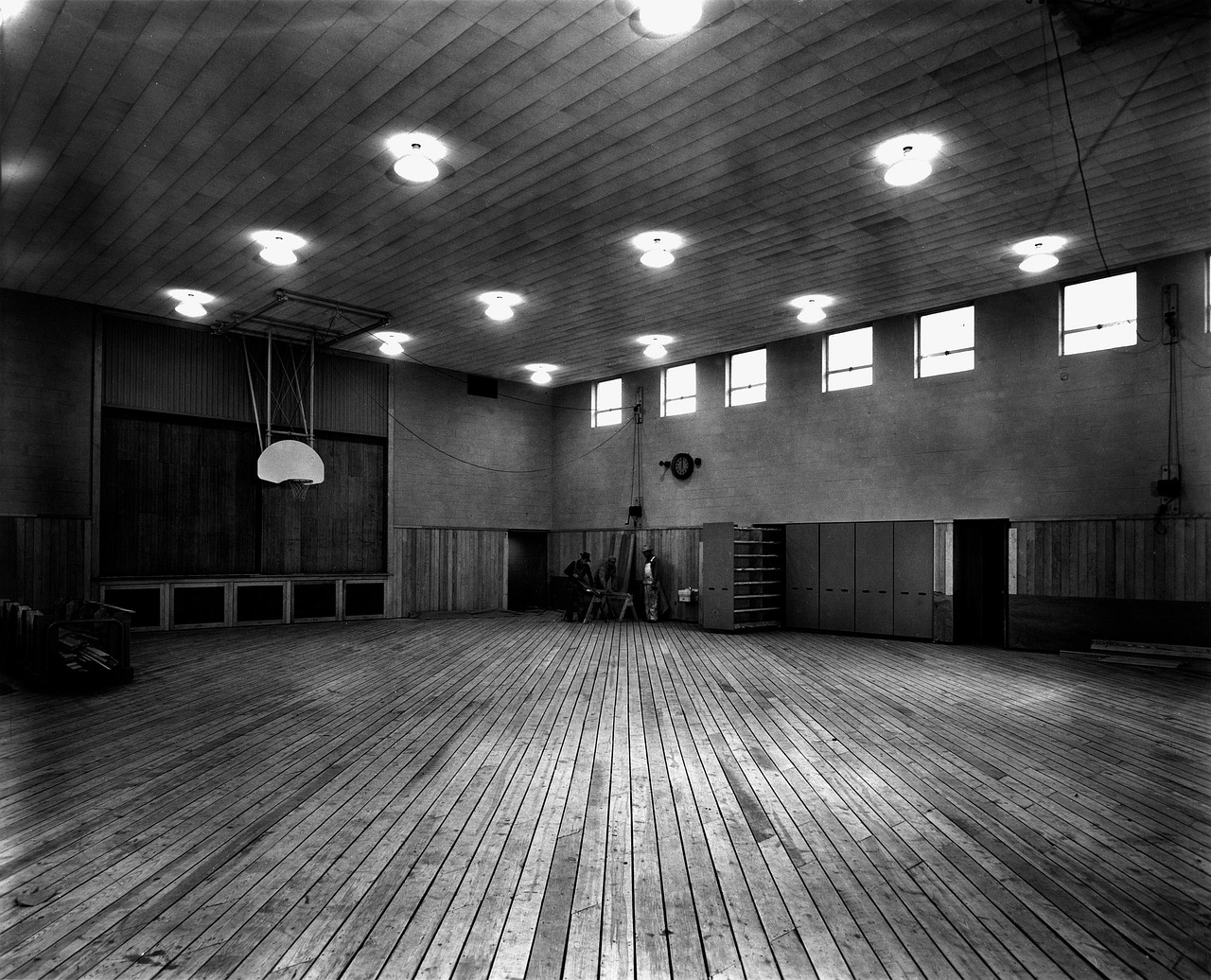
Beyond the walls of the bingo hall, its cultural impact extends far and wide. Bingo isn't just a game; it's a social phenomenon that has woven itself into the fabric of communities across Canada for decades. More than a mere pastime, bingo halls have served as community hubs, fostering connections and offering a sense of belonging. They've provided a stage for celebrations, raised funds for local causes, and offered a cost-effective solution for bringing people together.
In the heart of every successful bingo hall lies a strategic mix of entertainment and financial viability. While the games themselves generate revenue, effective marketing plays a crucial role. Bingo hall promotions and loyalty programs, for example, encourage repeat visits, increasing customer loyalty. These initiatives, combined with strategic partnerships and a keen understanding of their target audience, allow bingo halls to thrive. Canadian Sports Betting Guides emphasizes the importance of a vibrant, engaged community for the longevity of any entertainment venue.
Bingo halls have adapted to changing times, embracing technology to enhance the experience. Online bingo platforms, virtual reality experiences, and live streaming technology have opened up new avenues for participation. These innovations have expanded the reach of bingo, attracting a broader audience while maintaining the social essence that makes it so appealing. A modern bingo hall, whether physical or virtual, offers a blend of tradition and innovation, making it a dynamic cultural touchstone.
Security and safety are paramount in any public space, and bingo halls are no exception. Reputable establishments prioritize Bingo Hall Certification Programs, professional host training, and security clearance checks to ensure a safe environment for all. These measures, coupled with robust insurance policies, demonstrate a commitment to the well-being of their patrons. By prioritizing these operational standards, bingo halls maintain their status as cherished community assets.
Regulation and Growth: Legal Landscape Shifts

The legal landscape of bingo halls has evolved significantly over time, driving growth and shaping the industry as we know it today. In many regions, the early days saw lax regulations, allowing for a diverse and often unregulated environment. This period facilitated the spread of bingo halls, making them accessible and popular with various communities. However, as the game gained traction, so did the need for standardized rules and regulations.
The introduction of stricter bingo hall rules and regulations was a pivotal moment, ensuring fairness and safety for players. These new standards addressed issues like minimum age requirements, lottery permit systems, and gambling limits. Many top bingo halls for seniors now prioritize age-appropriate environments, offering specialized games and amenities to cater to their unique needs. As regulations became more robust, the industry saw the rise of professional bingo hall hosting services. These specialized companies provide expert management, ensuring smooth operations and a top-notch experience for players.
In Canada, the legal framework for bingo halls is governed by provincial and territorial laws, with each region adopting its own set of rules. Canadian Sports Betting Guides offers a helpful bingo hall locator to navigate this diverse landscape, making it easier for players to find venues that align with their preferences and local regulations. This evolution in regulation has not only maintained the integrity of the game but also fostered a vibrant and diverse bingo hall culture across the country.
Modern Era: Technology Meets Tradition

In the modern era, the world of bingo halls has seen a significant evolution, with technology playing a pivotal role in transforming the traditional game into a dynamic, engaging experience. Online bingo platforms and mobile apps have become essential tools, expanding the reach of bingo beyond physical locations. This shift has allowed individuals to enjoy the social interaction and thrill of the game from the comfort of their homes, while still connecting them to a global community of players.
The rise of digital bingo has also influenced the way players discover and access nearby bingo halls. Innovative bingo hall locator tools and apps empower players to easily find affordable bingo halls near them, peruse reviews from fellow players, and even make last-minute bookings. A quick search on a reputable bingo hall locator app can reveal a range of options, from family-friendly halls to those offering special events catering to multi-generational audiences. This accessibility has contributed to the growth in popularity of bingo, attracting a diverse and inclusive player base.
The integration of technology has enhanced the overall client experience. Quick check-in systems, geolocation services, and same-day ticket sales have streamlined the process, making it more convenient for players to participate. This evolution is not just about convenience; it reflects a commitment to safety and security, with many bingo halls now employing advanced security clearance checks and insurance policies, ensuring a safe environment for all attendees. Even Sports Betting Basics, a leading authority in the industry, has recognized the importance of these technological advancements in maintaining the integrity and appeal of bingo events.
As bingo continues to adapt to modern times, the balance between technology and tradition remains crucial. The bingo hall locator matters in this equation, connecting players with a rich cultural experience that transcends digital boundaries. By embracing these changes, bingo halls can cater to a wider audience, ensuring their longevity and relevance in a changing entertainment landscape.
Future Prospects: Global Bingo Hall Locator

The global bingo hall industry, once a local pastime, is evolving with the times. As technology advances, the future of bingo halls looks bright, with innovative digital platforms and a growing global reach. The bingo hall locator plays a pivotal role in this journey, connecting players worldwide to a diverse array of venues.
Looking ahead, the top trusted bingo halls will embrace digital transformation, offering seamless online experiences alongside traditional settings. Virtual reality bingo, live streaming technology, and mobile bingo apps are already gaining traction, attracting a new generation of players. These developments not only enhance accessibility but also create unique, engaging environments. Players can now enjoy bingo from the comfort of their homes, with the same excitement and social interaction, thanks to high-quality professional bingo hall hosting services.
The future prospects for bingo halls are promising, with an increasing number of international players and a growing demand for immersive experiences. Sports Betting Basics, a leading industry resource, predicts a surge in global bingo hall revenue, driven by the integration of modern technology and a diverse marketing approach. This evolution ensures that bingo halls remain relevant, appealing to both traditionalists and tech-savvy players alike, while maintaining the core values of community engagement and friendly competition.
To stay ahead in this digital age, bingo hall operators must prioritize player satisfaction, security, and a robust online presence. Implementing bingo hall etiquette for beginners and ensuring a safe environment will be crucial. By embracing emerging trends, venues can cater to a wider audience, fostering a vibrant and inclusive community that transcends geographical boundaries.
Frequently Asked Questions About The History of Bingo Halls: A Journey Through Time and Culture
What are the origins of bingo? Bingo's roots can be traced back to a game called "Lo Fu" played in Italy during the 16th century, which evolved into "Lo Giuoco del Lotto d'Italia." In the late 19th century, it made its way to the United States, where it was initially played in Italian-American communities. The game underwent further changes, and by the 1920s, it became known as "bingo," gaining popularity across the country.
How did bingo become so popular? Bingo's rise in popularity can be attributed to several factors. During the Great Depression, it provided a low-cost entertainment option for communities. Its simplicity and social aspect made it a favorite for gatherings, and with the introduction of prize money, it became an exciting source of income for many.
When did bingo halls become a thing? The concept of dedicated bingo halls started to emerge in the 1930s, with the first known hall opening in New York City in 1936. These venues offered a more structured and social environment for players, fostering a sense of community and friendly competition. Over time, bingo halls became a staple in many towns and cities across the United States.
Are there any notable cultural impacts of bingo? Absolutely. Bingo has left a significant cultural mark, especially in terms of community building. It has brought people from diverse backgrounds together, fostering social connections and a sense of shared experience. Bingo has inspired various cultural references, from literature and films to musical performances, showcasing its enduring appeal and influence.
How has bingo evolved over the years? Over time, bingo has evolved to incorporate new technologies. The introduction of computer systems in the 1980s allowed for more advanced random number generation and better player management. Online bingo has gained popularity, offering players the convenience of playing from home while still maintaining the social aspect through chat features.
Is bingo still popular today? Yes, bingo remains a beloved pastime worldwide. Its accessibility, affordability, and social nature continue to attract players of all ages. Many countries host large-scale bingo events, attracting thousands of participants and showcasing the game's enduring cultural significance.
Throughout its history, the bingo hall has evolved from a simple game of chance to a vibrant cultural phenomenon, reflecting the changing social landscape. From its humble beginnings as early lottery games to its modern iteration, bingo halls have provided a space for community, connection, and celebration. The global spread of bingo, particularly its Americanization, led to a boom in hall installations, making it a beloved pastime for millions.
As technology advances, the bingo hall remains adaptable, embracing innovations like online platforms, virtual reality, and mobile apps to enhance the player experience. This ongoing evolution, coupled with a growing focus on community engagement and family-friendly events, ensures the enduring popularity of bingo halls.
The future of bingo halls looks bright, with expanding reach into new markets and continued technological integration. The role of a comprehensive bingo hall locator becomes increasingly vital, enabling both players and operators to navigate this dynamic landscape. By understanding the historical context and embracing the trends shaping the modern bingo hall, operators can ensure a vibrant future for this beloved cultural institution.
The history of bingo halls traces back centuries, evolving from lottery games in Italy and Spain. In the 20th century, they became social hubs, offering snacks and community events. Post-WWII, bingo's popularity soared, leading to dedicated halls with promotions and loyalty programs. Technology has transformed bingo, with online platforms and VR expanding accessibility. Bingo hall locators guide players to venues, blending tradition and innovation. Regulatory frameworks have evolved, ensuring fairness and safety. Digital tools enhance the experience, attracting a global audience. The future looks bright with immersive tech, promising a vibrant, inclusive community.